Business Name: American Home Inspectors
Address: 323 Nagano Dr, St. George, UT 84790
Phone: (208) 403-1503
American Home Inspectors
At American Home Inspectors we take pride in providing high-quality, reliable home inspections. This is your go-to place for home inspections in Southern Utah - serving the St. George Utah area. Whether you're buying, selling, or investing in a home, American Home Inspectors provides fast, professional home inspections you can trust.
323 Nagano Dr, St. George, UT 84790
Business Hours
Monday thru Saturday: 9:00am to 6:00pm
Facebook: https://www.facebook.com/americanhomeinspectors/
Instagram: https://www.instagram.com/americanhomeinspectorsinc/
People do not plan for structural problems. They find them. It frequently begins with a hairline fracture on a basement wall, an upstairs door that rubs the jamb, or a roofline that looks slightly off from the street. By the time a house owner notices these hints, the structure has actually currently been telling a story for a while. A professional building inspection, especially a targeted foundation inspection, translates that story into facts, threat, and a clear course forward.
A certified home inspector sees the patterns more than the separated symptom. They know the difference between a cosmetic fracture in drywall and a shear concern telegraphing through the structure. They bring moisture meters, thermal electronic cameras, and the routine of tracing ideas back to a root cause. Great inspectors also understand when a situation needs a structural engineer, a soils test, or a various expert completely. That judgment is what develops foundation inspection structural confidence.

What "structure" encompasses
Structure is not simply a foundation and some framing. In domestic buildings, the structural system consists of the footings, structure walls or piers, floor systems, bearing walls, beams, columns, roofing system framing, and the roof deck that connects whatever together. The structure envelope, while distinct, engages heavily with structure. Inappropriate flashing on a roofing, for instance, can permit water to rot a leading plate or a truss heel, which ends up being a structural concern long before spots show up on a ceiling.
In older homes, each age's building techniques leave finger prints. Balloon framing from the early 20th century behaves in a different way under load than platform framing from the 1970s. Post-tension slabs in the Southwest create a different set of inspection top priorities than full-basement homes in the Midwest. A seasoned home inspector checks out these variables before moving from the driveway to the crawlspace.
The case for early, expert eyes
The worth of an expert building inspection shows up in both dollars and decisions. If you are buying, structural clearness impacts price, settlement utilize, insurance, and restoration preparation. If you already own, it affects upkeep spending plans, energy efficiency, and long-lasting security. Small issues seldom stay little. I have actually seen a $600 downspout extension prevent a $12,000 structure boundary drain. I have actually also seen a homeowner delay a $1,500 sill plate repair work, just to wind up replacing half a rim joist and 3 bays of subfloor the next spring.
Structural issues escalate because they pile up, not since a single element fails. Wetness enables mold, mold deteriorates wood fibers, sagging shifts loads to locations they do not belong, cracks open more water paths, and the loop closes. Breaking the chain early is the most inexpensive, best option.
What an extensive foundation inspection looks like
Foundations vary commonly: poured concrete, block, stone, pier and beam, or slab-on-grade. The inspection methodology adapts, but the principles remain the very same. You assess settlement, motion, moisture, load paths, and product condition. You think about soil, slope, water management, and plants. You compare observations across the structure to evaluate if a sign is local or global.
A cautious foundation inspection does the following in practice:
- Traces water from roof to soil, checking that rain gutters, downspouts, grading, and drains pipes move water a minimum of 5 to 10 feet far from the structure. Poor grading is the most common and most fixable issue I see. Maps fractures by type and habits. Horizontal fractures in block can show lateral soil pressure. Diagonal cracks at window corners may connect to differential settlement. Narrow vertical fractures in put walls typically reflect shrinking, but width, displacement, and whether the fracture is active matter. Checks for moisture and vapor. I bring a pinless meter for initial readings and a pin-type meter when verification is required. Efflorescence lines reveal where water has actually evaporated and left salts behind. Moldy odors and spalled surfaces are clues too. Confirms pack transfer. In basements and crawlspaces, I search for proper bearing under lally columns, intact footings, and secure connections where beams fulfill posts or pockets. Rusted jack posts, leaning columns, or crushed shims are red flags. Correlates flooring flatness and door operation with the foundation. A 3/4 inch drop across 10 feet in a kitchen area can connect back to a settled pier. Laser levels and basic marble tests both have their location, however you require context and measurements.
This approach builds an image that is more than a list of problems. It tells the owner what is most likely occurring underground and what the practical options are.
When a roof inspection intersects with structure
A roof inspection is not almost shingles and flashing. It is a chance to confirm whether the roof structure is keeping the structure square and dry. Roof leaks are infamous for masquerading as pipes issues or "simply paint concerns." If the leak has been sluggish, it may have softened a ridge board or delaminated a plywood deck long before a homeowner notifications a ceiling bubble.
During a roof inspection, I search for deflected rafters, rafter tail rot, cracked trusses, and jeopardized gusset plates. Long nails extending through sheathing with rust on the pointers normally indicate ongoing condensation in winter. Poor attic ventilation can pack the roofing system structure with wetness and heat, which shortens product life and invites mold. Ice dams in cold environments hint that heat loss is uneven or insulation is alternate, which can push water back under shingles and into leading plates and exterior wall cavities.
The roofing sits at the crossway of weather direct exposure, structural framing, and insulation strategy. An inspector who can link those dots helps prevent both leakages and load-related problems. That is why a roof inspection belongs in any serious building inspection, even when the owner swears the roof is "just five years of ages."
Termites, carpenter ants, and the peaceful rearrangement of load paths
A termite inspection is not a procedure, particularly in damp regions and in homes with years of service. Termites do slow, steady damage. By the time they leave noticeable mud tubes along a foundation wall, they may have hollowed studs to the point that a wall's load path has actually moved to neighboring members. Carpenter ants prefer damp, currently compromised wood and can accelerate a problem that began as a basic leak.
I have probed sills that looked intact but fallen apart under a screwdriver. In a crawlspace with limited ventilation, one damp summer season can bring decay that surpasses a property owner's instinct. The home inspector's job is to know where to look and how to identify old, inactive infestation from an issue that still needs treatment and structural repair work. When stakes are high, an expert insect specialist follows the inspection with a treatment strategy, and a carpenter or structural engineer addresses the damage. The series matters: stop the organism, then reconstruct the structure.
The function of a certified home inspector, and when to rope in an engineer
A certified home inspector supplies a broad, disciplined evaluation of the visible, accessible parts of a home, including the foundation, framing, roofing system, and outside. Certification does not make somebody foolproof, but it does indicate they comply with requirements of practice, carry the right tools, and keep continuing education. They likewise carry insurance coverage and wait their work.
There are moments when an inspector need to generate a structural engineer. Examples include large horizontal cracks in block with quantifiable displacement, deflection along a main beam that does not respond to normal descriptions, active settlement evidenced by current fracture motion, or an intricate remodel that eliminated several walls without clear load transfer. An engineer can determine loads, define reinforcement, and design fixes that pass allowing. The very best home inspector knows the boundary in between a building inspection and a structural design scope, and they respect it.
Real numbers, genuine consequences
A small grading correction with new downspouts may cost $400 to $1,200. A sump pump and drain tile retrofit in a basement frequently runs $6,000 to $15,000, depending upon direct video footage and discharge configuration. Sistering a handful of floor joists and replacing a section of sill plate can be a $2,000 to $5,000 job, assuming not a surprises. Helical piers to stabilize a settled corner can range from $3,000 to $10,000 per pier, and most homes require two to four piers at the affected area. A brand-new roofing system deck patch with truss repair, after a long-term leak, might be $2,500 to $7,500, plus roofing material.
These varies matter because they highlight why early detection modifications outcomes. Capture a structure wetness problem at the gutter and grade phase, and you hardly ever meet the interior jackhammer. Capture roofing ventilation and leak points before the next winter, and you keep structural wood dry and strong. A thorough home inspection pays for itself when it prevents even among the costly scenarios.
Buyer's calculus: checking out threat throughout due diligence
During a purchase, time compresses decision making. The seller's disclosure might list a "formerly fixed structure fracture," and the cosmetic work looks neat. An expert foundation inspection tests that claim. Is the fracture stabilized by epoxy injection or simply sealed over? Are there control joints that line up with fracture locations? Does the downspout near that corner dump next to the wall? Did a previous owner trench in a patio that now slopes towards the foundation?
A certified home inspector, working within the inspection window, prioritizes the structure, the roofing system, and water management. If they flag a significant risk, the purchaser has choices: negotiate credit, need repair, request extended assessment time, or walk away. I have actually seen customers negotiate $20,000 off a rate based upon a well-documented building inspection. I have actually also seen a purchaser accept a $2,500 credit for a crack that later needed $18,000 in structural work. The difference lay in the quality of paperwork and the determination to bring in a professional before signing.
Owner's method: upkeep that safeguards structure
Structural upkeep is not attractive, which is why it gets put off. However the very best structural protection often costs less than a device. Keep roof surfaces intact, flashing sealed, and attics ventilated. Preserve seamless gutters and extend downspouts. Keep soil sloped far from the house at a gentle 5 percent or better in the first 10 feet. Seal penetrations and display for seasonal movement.
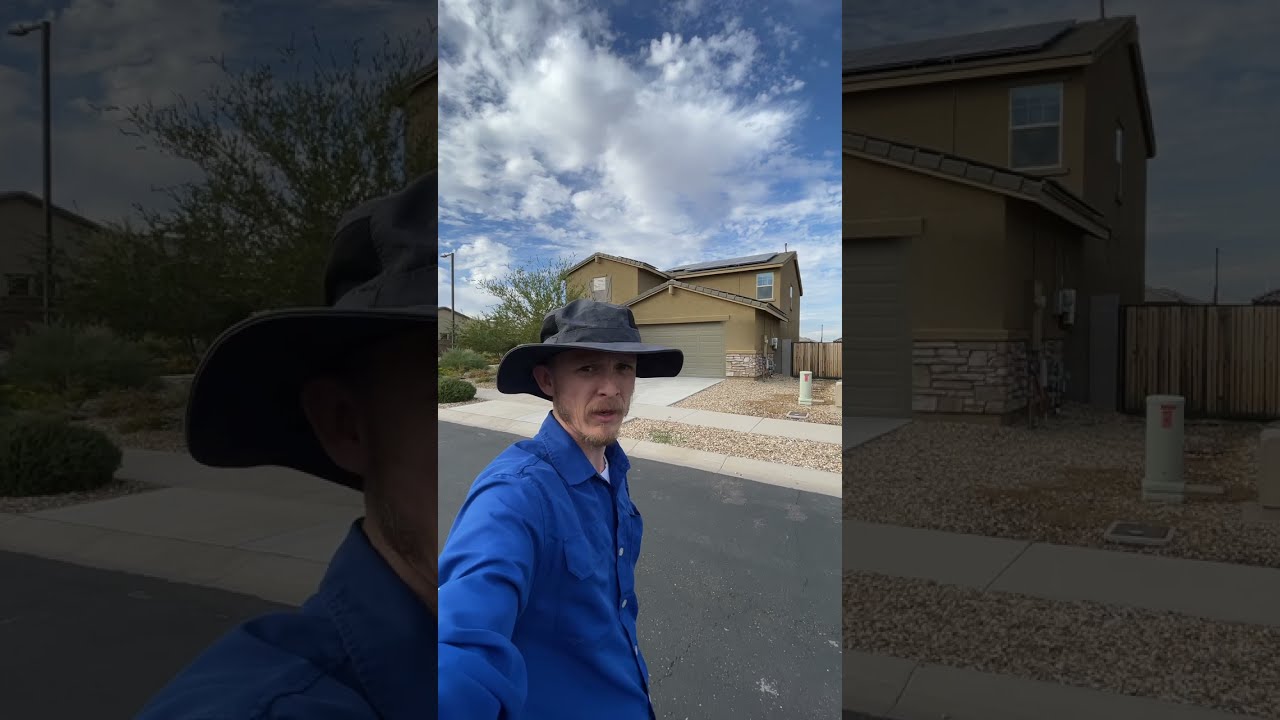
Small observations avoid huge surprises. When a door that constantly latched all of a sudden does not, ask why. When your basement smells moldy in July but not in May, search for brand-new wetness sources and check that the HVAC is handling humidity. If you see efflorescence bands change season to season, that is not random art. It is a water map. Pattern awareness is the quiet ability that great inspectors bring and that property owners can adopt.
The crawlspace reality serum
Crawlspaces reveal the health of a house much better than nearly any other zone. They demonstrate how water moves under the structure, which sills are vulnerable, whether mechanicals are protected, and whether bugs are active. They likewise notify the foundation inspection. In the Southeast, I see vented crawlspaces with falling fiberglass batts, damp soil, and fungal growth along joists. In those conditions, even a minor roofing leakage becomes a structural accelerant due to the fact that humidity is currently high.
Encapsulation has become popular in numerous markets, and when done correctly with proper drainage and dehumidification, it can stabilize wood moisture material and safeguard structure. Done inadequately, it can trap water against foundation walls or create negative pressure issues. A home inspector examines not just the presence of a vapor barrier but the efficiency of the system: sealed seams, wall terminations, mechanical drying technique, and outside water control.
Climate, soil, and the local lens
Soil type drives structure habits. Extensive clays diminish and swell with wetness changes, which can lift and drop slab edges. Sandy soils drain well but need careful compaction. In frost-prone areas, footing depth matters because frost heave can push shallow supports out of positioning. A prairie home with clay soil needs a different water management plan than a hillside home on broken down granite.
Climate includes a second axis. Freeze-thaw cycles expand cracks. Hot, deserts stress roofing products and dry lumber to the point of increased shrinkage. Coastal zones bring salt air that corrodes fasteners and steel components. A building inspection that overlooks these realities checks out like a generic list. A good home inspector tailors the examination and the repair work recommendations to what the area's soil, weather, and contractors generally produce.
Renovations and structural intent
Remodels often unsettle structural intent. A wall that seemed "non-load-bearing" turns out to be sharing load with another wall or supporting an area of ridge. I have actually seen beam pockets cut to make way for ductwork and joists notched to run pipes, all of which compromise capability. The inspector's task is not to develop a repair, however to determine where the initial load course was and how it might have been modified. When selling, undisclosed adjustments can attract analysis from purchasers and appraisers. When remaining, fixing them prevents the slow drift of a home out of alignment.
If you plan a significant remodelling, a pre-construction building inspection assists. It identifies latent concerns, like a drooping beam or structure moisture, that ought to be dealt with before you open walls. That order of operations saves cash. There is little point in setting up wood floors over a joist system that will be leveled next year.
The roof as a system, not a surface
A roof inspection that builds structural confidence looks beyond missing shingles. It checks the decking for deflection, the condition of the underlayment, flashing at penetrations, and the ridge and soffit ventilation method. On low-slope sections, the inspection inspects membranes and drain. The roofing system's geometry matters too. Complex valleys focus water and ice. A steep upper roofing system that empties onto a lower shallow pitch location increases danger. These needs affect not just roof material option however how the structure below handles loads and occasional wetting.
A well-executed roof inspection, folded into the wider building inspection, typically reveals chances: including consumption ventilation to level attic air flow, replacing rusty fasteners in metal roofing, or updating underlayment at crucial valleys. Each action extends life and decreases the chance that water will discover its way into structural members.
Documentation that makes its keep
Photographs, wetness readings, crack maps, and plain-language explanations transform a building inspection from a picture to a working file. Sellers, purchasers, lending institutions, and professionals all react to clear documents. If I call out a structure issue, I include measurements of fracture width, the presence or absence of displacement, wetness readings near the area, and notes on close-by grading and downspout discharge. If I advise a structural engineer, I mention why: kind of crack, observed movement, load ramifications, or security concerns.
This documents ends up being a roadmap for repair. It likewise establishes a standard. If you determined a 1/16 inch crack in spring and it is 1/8 inch by late summer season, that is important details. Numerous owners keep inspection reports on file and request for a much shorter follow-up check the next year. The expense is modest. The comfort is not.
How to choose the right inspector
Credentials matter, but so does fit. Inquire about experience with your home type and regional conditions. If you have a pier and beam home with a known history of settlement, employ a home inspector who can show you multiple foundation inspection case research studies, not just a generic sample report. Ask what tools they use and how they handle inaccessible locations. If they discover something structural during the building inspection, will they recommend a sequence that consists of a structural engineer, a structure specialist, or both?

A great inspector is likewise transparent about scope. A home inspection is restricted to noticeable and available locations. No inspector can see behind walls or guarantee future performance. The very best ones communicate those limitations without hedging. They inform you what is known, what is likely, and what needs further assessment, and they do not oversell.
Red flags that should have instant attention
- Horizontal cracking in block structure walls with quantifiable bowing, especially mid-height: recommends lateral soil pressure that might need reinforcement. Persistent standing water near the foundation after normal rain: indicate grading or drainage failures that invite moisture into the structure. Doors and windows that alter habits seasonally integrated with sloping floors: could suggest active settlement or shifting piers. Rusted or undersized adjustable posts supporting beams, specifically without correct footings: weakens load paths and safety. Roof leaks with visible deck droop or harmed truss members: couples water damage with structural compromise.
These are not the only problems that matter, but they are the ones that get worse if disregarded. They likewise feed each other. A bowing wall and poor drain typically share the very same root cause.
Cost literacy: repair courses and trade-offs
There is typically more than one method to support a structure. For a bowing block wall, carbon fiber straps are less invasive and cheaper than steel I-beams, however they require a wall that is not too far out of plumb and a stable footing. Helical tiebacks may be appropriate when lateral soil pressure is high and there is room outside to anchor. For settlement, helical piers provide targeted assistance, while full foundation is more intrusive but detailed. The clever course depends on the extent of motion, soil conditions, access, and budget.
Moisture management choices follow the very same reasoning. Exterior excavation with waterproofing and drainage is the gold standard for wet basements, but it costs more and disrupts landscaping. Interior drain tile with a sump pump is less disruptive and effective for many homes, offered outside grading and downspouts are fixed. The inspector's role is to frame alternatives and help you match them to your scenario, not to sell a single solution.
Why confidence, not perfection, is the goal
Buildings are living systems in the sense that they move, broaden, contract, and age. Excellence is not possible. Confidence is. Structural self-confidence indicates you understand what your building is doing, why it is doing it, and how to keep the forces that act on it within safe limitations. It implies your roof is keeping water out, your foundation is steady, and your load courses are intact. It likewise indicates you have a plan for the vulnerable points, since every building has a few.
An expert building inspection, led by a certified home inspector who comprehends structure, offers you that foundation of understanding. Include a focused foundation inspection, a thoughtful roof inspection, and a termite inspection where appropriate, and you have covered the huge dangers that compromise homes. Whether you are buying, selling, or just stewarding your house you live in, that is the type of self-confidence that pays you back, year after year.
American Home Inspectors provides home inspections
American Home Inspectors serves Southern Utah
American Home Inspectors is fully licensed and insured
American Home Inspectors delivers detailed home inspection reports within 24 hours
American Home Inspectors offers complete home inspections
American Home Inspectors offers water & well testing
American Home Inspectors offers system-specific home inspections
American Home Inspectors offers walk-through inspections
American Home Inspectors offers annual home inspections
American Home Inspectors conducts mold & pest inspections
American Home Inspectors offers thermal imaging
American Home Inspectors aims to give home buyers and realtors a competitive edge
American Home Inspectors helps realtors move more homes
American Home Inspectors assists realtors build greater trust with clients
American Home Inspectors ensures no buyer is left wondering what they’ve just purchased
American Home Inspectors offers competitive pricing without sacrificing quality
American Home Inspectors provides professional home inspections and service that enhances credibility
American Home Inspectors is nationally master certified with InterNACHI
American Home Inspectors accommodates tight deadlines for home inspections
American Home Inspectors has a phone number of (208) 403-1503
American Home Inspectors has an address of 323 Nagano Dr, St. George, UT 84790
American Home Inspectors has a website https://american-home-inspectors.com/
American Home Inspectors has Google Maps listing https://maps.app.goo.gl/aXrnvV6fTUxbzcfE6
American Home Inspectors has Facebook page https://www.facebook.com/americanhomeinspectors/
American Home Inspectors has Instagram https://www.instagram.com/americanhomeinspectorsinc/
American Home Inspectors won Top Home Inspectors 2025
American Home Inspectors earned Best Customer Service Award 2024
American Home Inspectors placed 1st in New Home Inspectors 2025
People Also Ask about American Home Inspectors
What does a home inspection from American Home Inspectors include?
A standard home inspection includes a thorough evaluation of the home’s major systems—electrical, plumbing, HVAC, roofing, exterior, foundation, attic, insulation, interior structure, and built-in appliances. Additional services such as thermal imaging, mold inspections, pest inspections, and well/water testing can also be added based on your needs.
How quickly will I receive my inspection report?
American Home Inspectors provides a detailed, easy-to-understand digital report within 24 hours of the inspection. The report includes photos, descriptions, and recommendations so buyers and realtors can make confident decisions quickly.
Is American Home Inspectors licensed and certified?
Yes. The company is fully licensed and insured and is Nationally Master Certified through InterNACHI—an industry-leading home inspector association. This ensures your inspection is performed to the highest professional standards.
Do you offer specialized or add-on inspections?
Absolutely. In addition to full home inspections, American Home Inspectors offers system-specific inspections, annual safety checks, water and well testing, thermal imaging, mold & pest inspections, and walk-through consultations. These help homeowners and buyers target specific concerns and gain extra assurance.
Can you accommodate tight closing deadlines?
Yes. The company is experienced in working with buyers, sellers, and realtors who are on tight schedules. Appointments are designed to be flexible, and fast turnaround on reports helps keep transactions on track without sacrificing inspection quality.
Where is American Home Inspectors located?
American Home Inspectors is conveniently located at 323 Nagano Dr, St. George, UT 84790. You can easily find directions on Google Maps or call at (208) 403-1503 Monday through Saturday 9am to 6pm.
How can I contact American Home Inspectors?
You can contact American Home Inspectors by phone at: (208) 403-1503, visit their website at https://american-home-inspectors.com/,or connect on social media via Facebook or Instagram
Take a scenic drive to Zion Nation Park only about 45 minutes away from our home location!